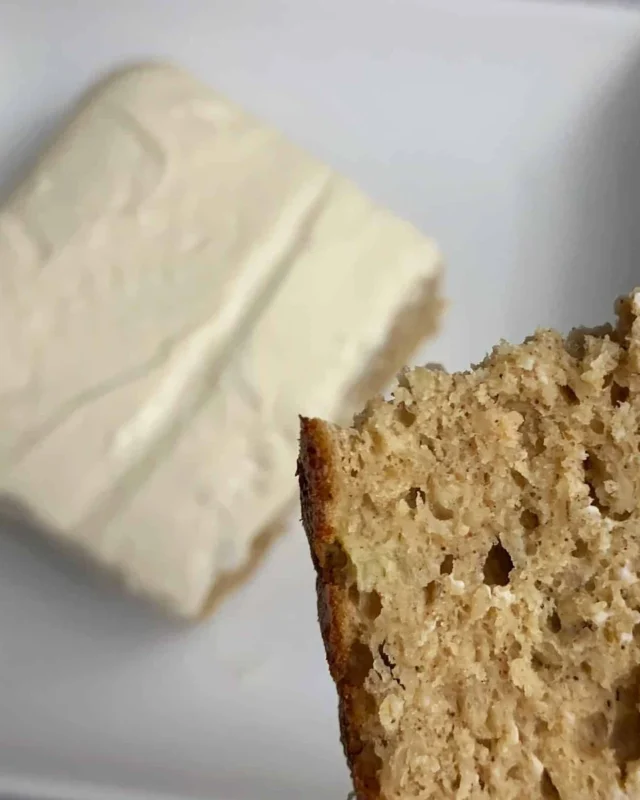
There is something comforting about a pie crust rolled out by hand on a wooden counter, the kitchen smelling faintly of butter and flour. Pies have been a staple at family tables for generations, and a good crust is what turns a simple filling into something people remember. This pie crust recipe has been my go-to for years because it is forgiving, uses everyday pantry staples, and gives you a golden, flaky base that holds up well to both sweet and savory fillings.
How to Make the Perfect Pie Crust
A great pie crust is all about texture: tender enough to melt on the tongue, yet sturdy enough to hold a generous slice of fruit or custard without falling apart. The secret lies in keeping the butter cold and leaving it in visible pieces. As the crust bakes, those little pockets of butter release steam and create layers that separate into flakes. The flour gives structure, the salt brings out the buttery flavor, and the small amount of vinegar helps keep the dough tender by slowing gluten development. Handle the dough as little as possible, and you will be rewarded with a crust that tastes rich, bakes evenly, and looks beautiful at the edges.
Ingredients & Substitutions
Flour: Organic all-purpose flour works beautifully here. Spoon it into your measuring cup and level it off rather than scooping, so the dough does not turn out dry.
Salt: Fine table salt is the easiest to measure evenly. If you use coarse or flaky salt, you may want to add a little more to balance the flavor.
Butter: Use unsalted butter straight from the refrigerator, cut into cubes. If you prefer, you can swap in half shortening for extra tenderness, though you will lose some of that rich butter flavor.
Cold Water: Keep a glass of ice water nearby and add it a tablespoon at a time. Too much water makes the crust tough, so stop as soon as the dough holds together when pressed.
Vinegar: White vinegar or apple cider vinegar both work. The small amount is nearly undetectable in the finished crust, but it makes the dough easier to roll and more tender.
Can I Make Pie Crust Ahead of Time?
Yes, and I often do. After shaping the dough into a flat disk, wrap it tightly in plastic wrap and refrigerate it for up to two days, or freeze it for up to three months. Chilling also gives the flour time to hydrate and the butter time to firm up again, which makes rolling much easier. If the dough becomes too hard to roll straight from the fridge, let it sit at room temperature for about ten minutes. Avoid letting it soften completely, because warm butter is what causes a greasy, dense crust rather than a flaky one.
How to Store Pie Crust
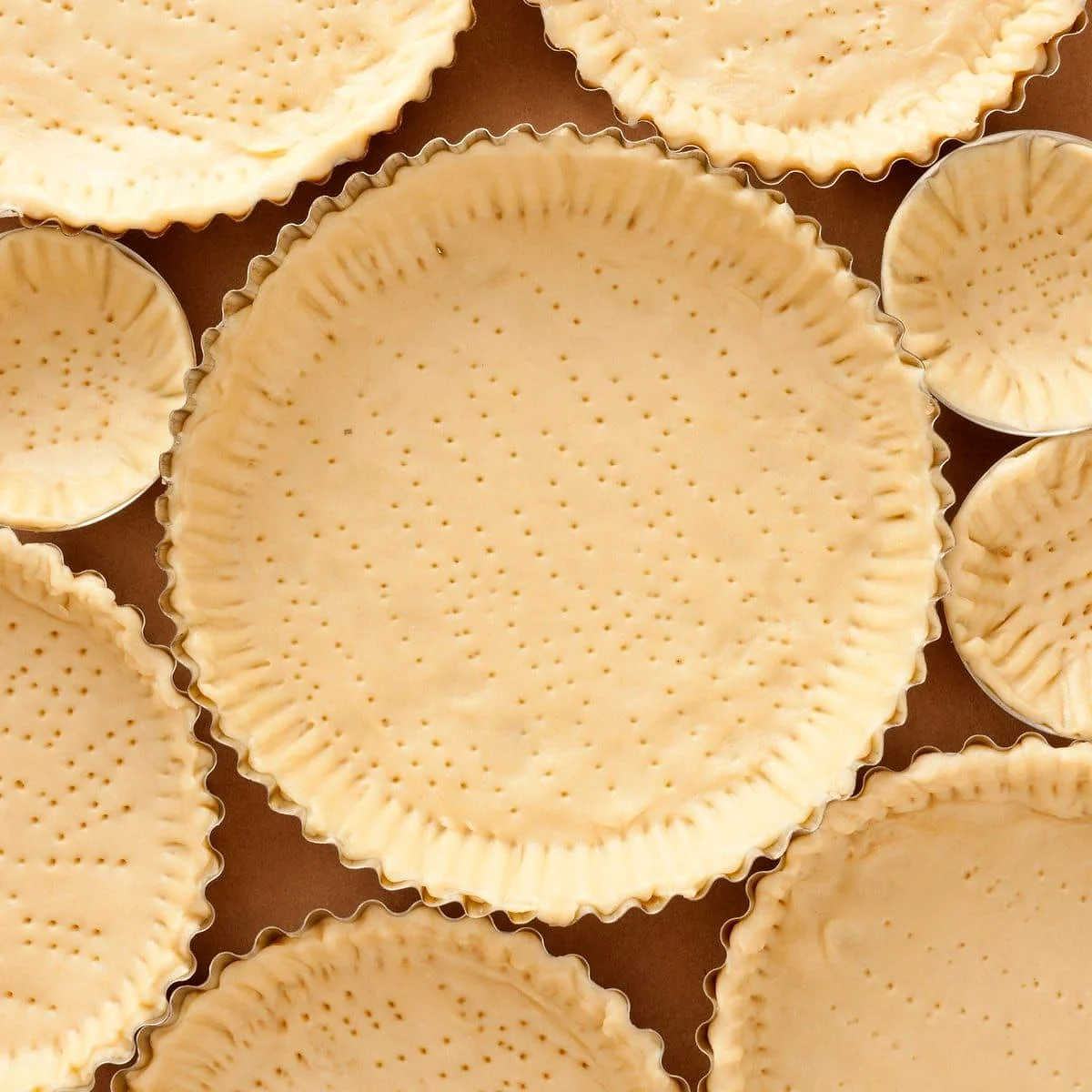
Once a pie is baked, cover it loosely and keep it at room temperature for up to two days, or refrigerate it for up to four days if the filling is custard or dairy-based. Unbaked pie crusts stored in the refrigerator should be used within two days. For longer storage, wrap the dough well and freeze it, then thaw overnight in the refrigerator before rolling. Baked crusts keep in an airtight container for a few days, though they are best eaten fresh while they still have their crisp texture.
Can I Freeze Pie Crust?
Yes, pie dough freezes very well when prepared correctly.
- Shape the dough into one or two flat discs, wrapping each tightly in plastic wrap.
- Place the wrapped discs in a freezer bag, press out the air, and label with the date.
- Thaw overnight in the refrigerator, then let it rest at room temperature for about 10 minutes before rolling.
 Recipe byAllison Reed
How to Make the Perfect Pie Crust
Ingredients
- 2 ½ cups organic all-purpose flour
- 1 tsp salt
- 1 cup unsalted butter, cold and cubed
- 6 Tbsp cold water
- 1 Tbsp vinegar (white or apple cider)
Instructions
- Whisk the flour and salt together in a large bowl.
- Add the cold cubed butter and work it into the flour with a pastry cutter or your fingertips until the mixture resembles coarse crumbs with some pea-sized pieces of butter remaining.
- Stir the vinegar into the cold water in a small glass.
- Drizzle the water mixture over the flour a tablespoon at a time, tossing gently with a fork, until the dough just comes together when pressed.
- Divide the dough in half, shape each portion into a flat disc, wrap tightly in plastic wrap, and refrigerate for at least 1 hour.
- Preheat the oven to 425°F (220°C) when you are ready to bake.
- On a lightly floured surface, roll one disc into a circle about 12 inches wide and 1/8 inch thick.
- Transfer the dough to a 9-inch pie dish, trim the overhang, and crimp the edges.
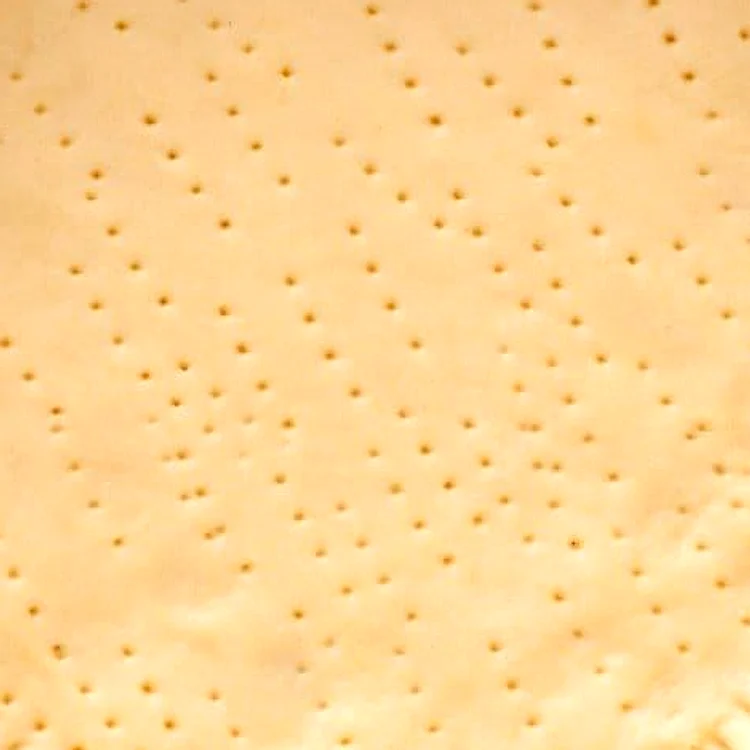
- For a baked crust, prick the bottom with a fork, line with parchment and pie weights, and bake for 15 minutes. Remove the weights and bake for 5 to 8 minutes more until light golden.
- For a filled pie, add your filling and bake according to the recipe, usually at 400°F to 425°F, until the crust is deep golden and the filling is bubbling.
Notes
- Keep the butter and water very cold for the flakiest results.
- Do not overwork the dough; a few visible butter pieces are a good sign.
- Makes enough for a double-crust pie or two single crusts.