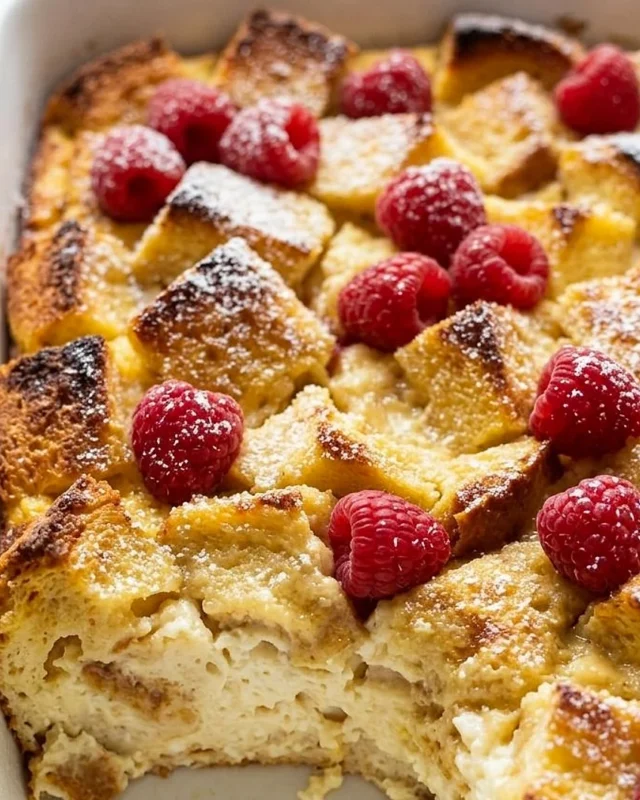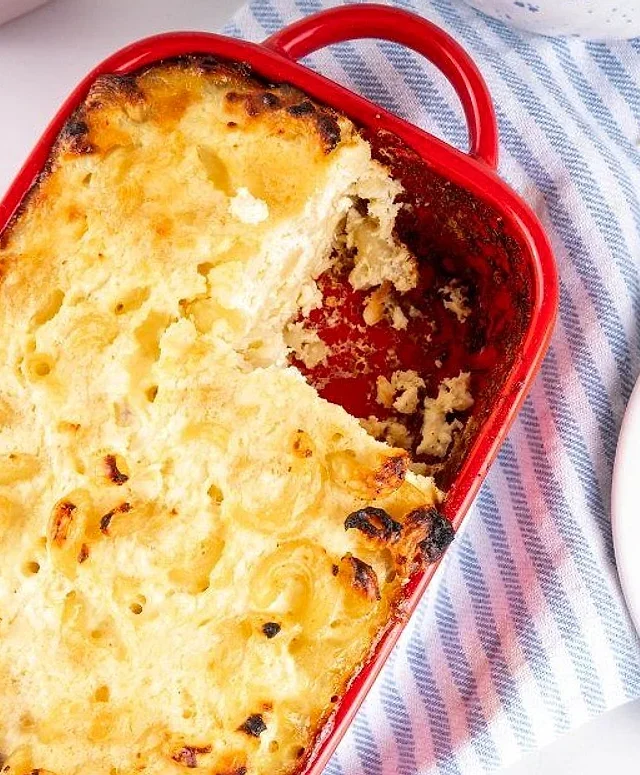
Trust me, this bread is a total game-changer for lazy bakers.
Soft, slightly tangy, and so tender.
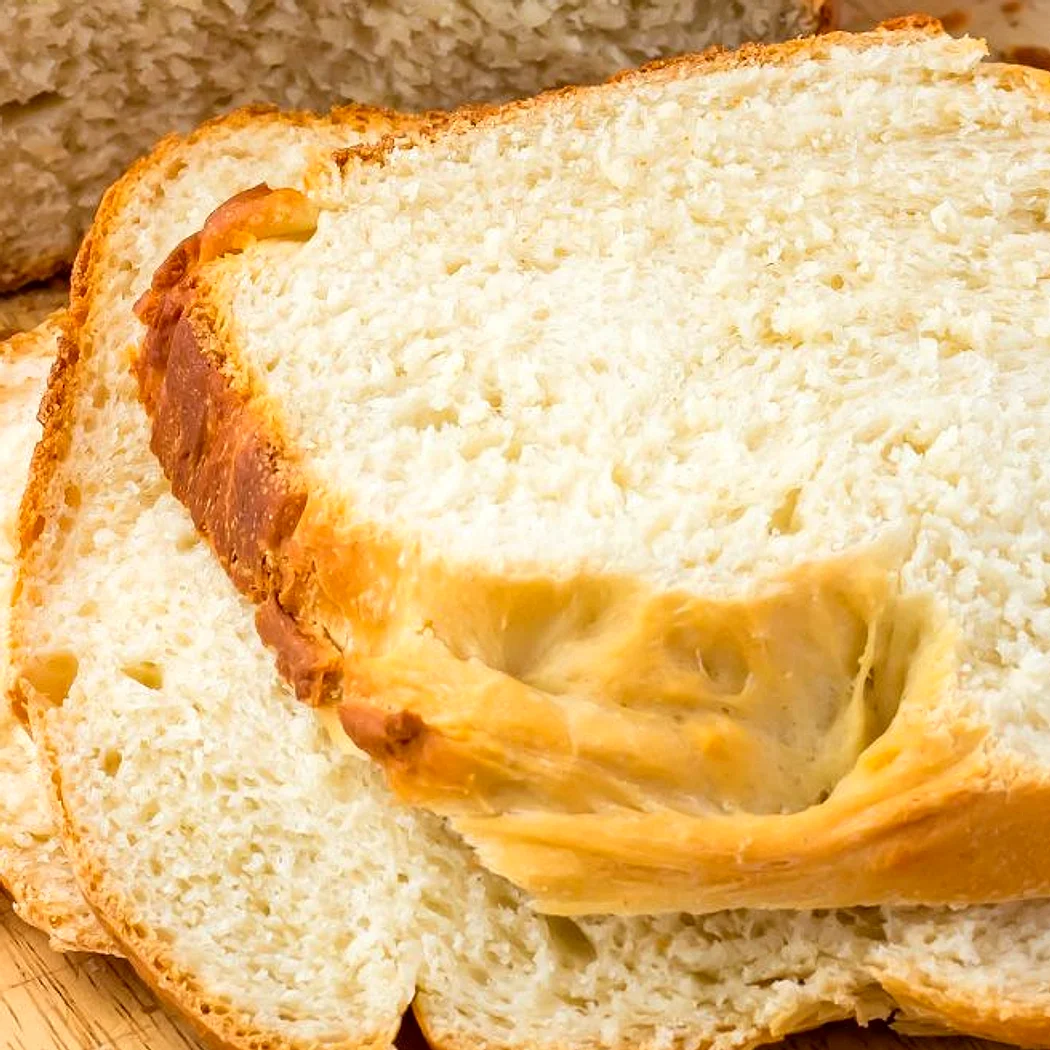
Your bread machine does all the hard work.
Cottage cheese adds moisture that keeps every slice fluffy for days.
Why You’ll Love This Cottage Cheese Bread
This is my go-to loaf on busy weeknights.
It needs no kneading and no special skills.
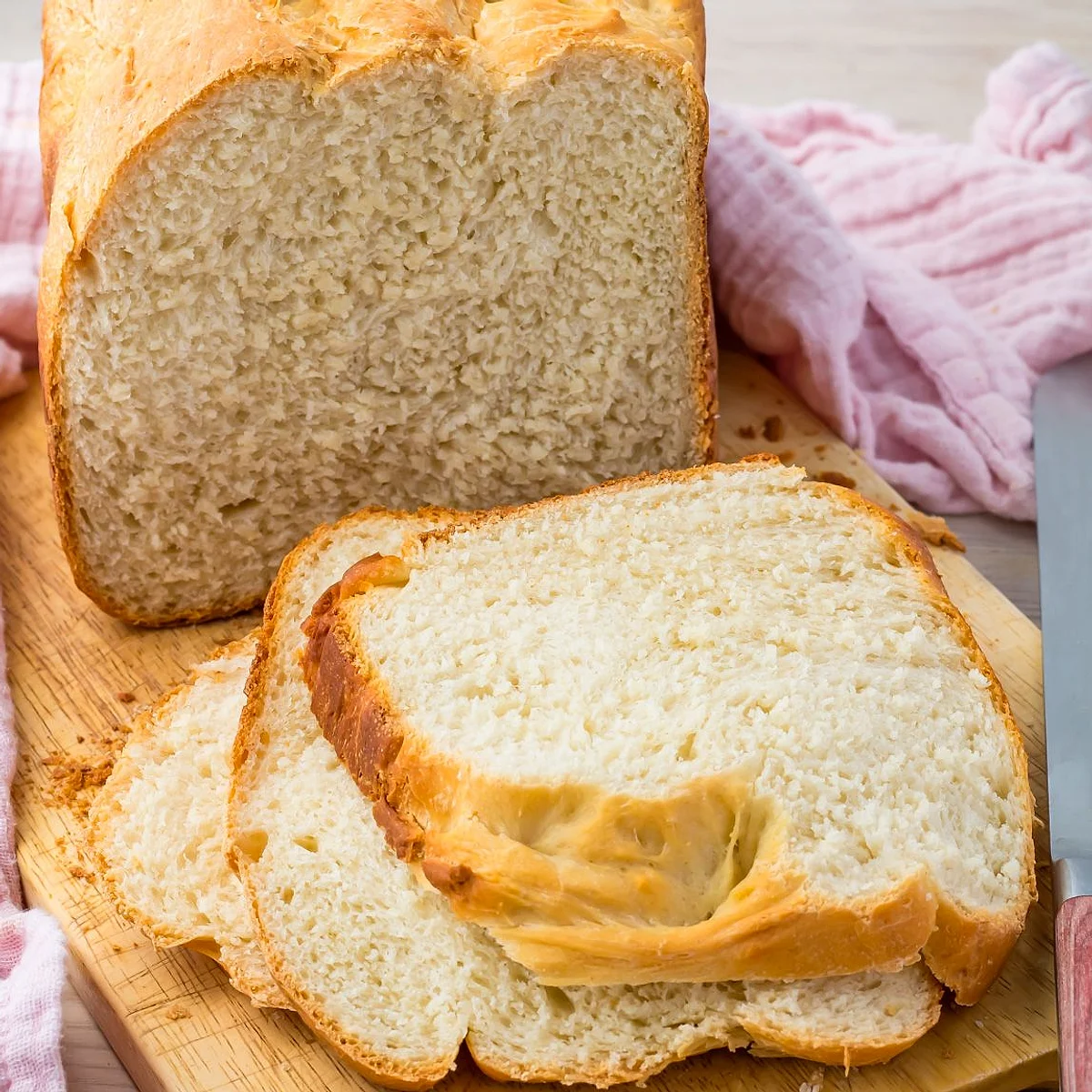
The cottage cheese makes the crumb soft and springy.
Toast it, make sandwiches, or eat it warm with butter.
One loaf, minimal cleanup, maximum comfort.
Ingredients
Weigh your flour if you can. It makes the loaf more consistent.
- Strong white bread flour (500 g): Strong flour has more protein, which builds the gluten that gives bread its chewy structure. Measure it by weight, since about 4 cups can vary a lot. Regular all-purpose flour works in a pinch, but the loaf will be softer and a little shorter.
- Butter (30 g, about 2 tablespoons): Butter adds richness and a tender crumb. Use unsalted butter so you control the salt. Make sure it is softened or cut into small cubes before adding.
- Sugar (1.5 tablespoons): Sugar feeds the yeast and helps the crust brown beautifully. Regular white sugar is best. Honey can replace it, but the loaf may brown faster.
- Salt (1.5 teaspoons): Salt controls the speed of the yeast and boosts flavor. Do not skip it. Fine table salt measures more evenly than coarse salt.
- Instant yeast (1 teaspoon): Instant yeast is designed for bread machines and can go in with the dry ingredients. Check the date on the packet, because old yeast rises weakly.
- Filtered milk (180 ml, 1.5 cups): Milk gives the dough softness and structure. Use filtered or lactose-free milk if that is what you have. Room temperature milk helps the yeast wake up gently.
- Cottage cheese (180 g, 1.5 cups): This is the star ingredient. It adds moisture, a little tang, and a fluffy texture. Choose full-fat or low-fat plain cottage cheese, and avoid the watery kind if possible.
How to Make Cottage Cheese Bread Machine Bread
Start by gathering everything. Measure carefully, especially the flour.
Add the milk and cottage cheese to the pan first. This protects the yeast.
Next add the butter, sugar, salt, and flour on top.
Make a small well in the flour and add the yeast there, keeping it away from the liquid.
Select the basic or white bread setting, with a medium crust and a 1.5 pound loaf size.
Press start and let the machine do its work. The full cycle takes about 3 hours.
When the cycle ends, remove the pan and let the loaf rest for 10 minutes.
Tips for the Best Cottage Cheese Bread
A few small habits make a big difference.
- Check the dough after 5 minutes. It should form a smooth, slightly tacky ball. Add a teaspoon of flour or milk if needed.
- Don’t skip the rest. Let the loaf cool on a wire rack for at least 1 hour before slicing, or the middle can feel gummy.
- Drain wet cottage cheese. Pat it dry or strain it for 10 minutes if it looks very watery.
- Use fresh yeast. Instant yeast loses power over time, so store it in a cool, dry place.
- Measure by weight. A kitchen scale gives you the most reliable results.
- Brush the top. A little melted butter after baking keeps the crust soft and glossy.
Substitutions and Variations
This bread is very forgiving once you know the basics.
- Whole wheat version: Swap up to half the flour for whole wheat flour. Add 1 extra tablespoon of milk to keep the dough soft.
- Herb loaf: Add 1 teaspoon dried rosemary or Italian herbs with the flour.
- Cheesy bread: Stir in 60 g grated sharp cheddar when the machine beeps for add-ins, if your machine has that option.
- Dairy-free: Use a plant-based milk and dairy-free butter, though the texture will be a bit denser.
How to Store Cottage Cheese Bread
Store the cooled loaf in a bread bag or airtight container at room temperature.
It stays soft for about 3 to 4 days this way.
For longer freshness, keep the bread in the fridge, though it may dry out faster.
To refresh a slice, warm it for 15 seconds in the microwave or toast it lightly.
Can You Freeze Cottage Cheese Bread?
Yes, and it freezes beautifully. Slice the loaf first so you can grab just what you need.
Wrap the slices tightly in plastic wrap, then place them in a freezer bag. It keeps for up to 3 months.
Thaw slices at room temperature for about 30 minutes, or toast them straight from frozen.
FAQs
Can I make cottage cheese bread without a bread machine?
Yes. Mix the ingredients, knead for about 8 minutes, let it rise until doubled, shape the loaf, and bake at 180 C (350 F) for about 35 minutes until golden.
Why is my cottage cheese bread dense?
Dense bread usually means too much flour, expired yeast, or a cold kitchen. Measure by weight and check that your yeast is fresh and your milk is lukewarm.
Can I use low-fat cottage cheese?
Absolutely. Low-fat cottage cheese works well and keeps the loaf moist. The bread may be slightly less rich, but the texture stays soft and fluffy.
Does cottage cheese bread taste cheesy?
Not really. It has a mild, slightly tangy flavor that tastes like soft, buttery bread. The cottage cheese mostly adds moisture and tenderness.
Give this loaf a try, and enjoy the softest slices you have baked yet!
 Recipe byAllison Reed
Cottage Cheese Bread Machine Bread
Ingredients
- 500 g strong white bread flour (about 4 cups)
- 30 g butter (2 tablespoons), softened
- 1.5 tablespoons sugar
- 1.5 teaspoons salt
- 1 teaspoon instant yeast
- 180 ml filtered milk (1.5 cups), room temperature
- 180 g cottage cheese (1.5 cups)
Instructions
- Add the milk and cottage cheese to the bread machine pan first.
- Add the softened butter, sugar, and salt on top of the liquid.
- Add the flour on top, covering the liquid completely.
- Make a small well in the flour and add the instant yeast there.
- Select the basic or white bread setting, medium crust, and 1.5 pound loaf size.
- Press start and let the machine knead, rise, and bake, about 3 hours.
- Remove the pan and let the loaf rest for 10 minutes.
- Turn the loaf out onto a wire rack and cool for at least 1 hour before slicing.
Notes
- Weigh the flour for the most consistent results.
- Store cooled bread in an airtight bag at room temperature for 3 to 4 days.
- Freeze sliced bread for up to 3 months.